
Nerissa
De Juan
SOPRANO
About

First Prize Winner of the 2021 National Music Competitions for Young Artists (NAMCYA) Senior Voice Category, Nerissa De Juan has established herself as one of the Philippines’ most promising classical performers. A versatile soprano celebrated for her artistry in operatic and classical performance, she is a graduate of the University of Santo Tomas Conservatory of Music with a degree in Vocal Performance, where she trained under renowned Filipino classical singers and educators—namely Ligaya Quinitio, Gloria Dizon Coronel, Lemuel Dela Cruz, and Randy Gilongo. Her artistry has earned her numerous distinctions, including the OPPA (Original Pilipino Performing Arts) Foundation Scholarship Grant (2017–2021) and the UST Benavides Outstanding Achievement Award (2022).At just 19, Nerissa made her professional operatic debut as Maria Clara in Felipe Padilla De Leon’s Noli Me Tangere: The Opera during its 60th‑anniversary production in 2017 at the Cultural Center of the Philippines—a role she reprised in 2019. Since then, she has portrayed a wide range of characters, including La Zia Principessa (Suor Angelica), La Ciesca (Gianni Schicchi), Mme. Silberklang (Der Schauspieldirektor), and Susanna/Berta in Figaro! Figaro!! — an abridged rendition of Rossini’s Il barbiere di Siviglia and Mozart’s Le nozze di Figaro.In April 2025, she made her international operatic debut as Micaëla in Singapore Lyric Opera’s production of Bizet’s Carmen. Later that year, she appeared in concert as Paloma in Barbieri’s El barberillo de Lavapiés in Manila, and in September 2025 she took on the demanding role of Fiordiligi in Mozart’s Così fan tutte. Beyond her lead roles, Nerissa has enriched productions through her ensemble and contemporary work, appearing in Puccini’s Le Villi, Donizetti’s Don Pasquale, and Pasipo’s Filipino adaptation of West Side Story as Anita.As an active soloist, she has collaborated with the Singapore National Youth Orchestra, UST Symphony Orchestra, ABS‑CBN Philharmonic Orchestra, Manila Symphony Orchestra, and the Philippine Philharmonic Orchestra. With the latter, she performed at Asia Orchestra Week 2018 in Tokyo, Japan, and at Sunsets at Makiling. She has also been featured in concerts organized by the Cultural Center of the Philippines, the Manila Pianos Artist Series, and the National Parks Development Committee’s Concert at the Park and Paco Park Presents.Internationally, Nerissa has represented the Philippines in The Winner’s Concert in Xiamen, China, as part of the NAMCYA delegation. She was a finalist in the 1st Veronica Villarroel International Voice Festival (2020) and a nominee for Best Female Classical Performer at the 2020 Aliw Awards. She has further refined her artistry through masterclasses with esteemed artists, including Anna Migallos, Nelly Miricioiu‑Kirk, Susan Waters, Arthur Espiritu, Fabio Armiliato, Lorena Zaccaria, Mariano Panico, John Florencio, and Ramon Grau. Nerissa is a founding member of the Manila Symphony Orchestra Chorus and Tinig Kayumanggi, and an active member of the Pasipo Vocal Ensemble/Opera Company.From October 2025 to June 2026, she studied as an exchange student in Vocal Performance at the University of Music and Performing Arts Vienna (mdw) under the guidance of Peter Edelmann, supported by the Ernst Mach – Music Practice Grant awarded by OeAD and ASEA‑UNINET. After showing much promise during her exchange year, she was accepted into the Master of Arts in Stage Performance (Opera and Musical Drama) programme at mdw, where she is set to begin her studies in Winter 2026.
Contact

For bookings/collaborations/inquiries,
kindly send a message to:
MEDIA
Je dis que rien ne m'épouvante from 'Carmen' - Georges Bizet • #ProgettoPuccini2024 Grand Concert
Nerissa De Juan as 'La Zia Principessa' in Suor Angelica by Giacomo Puccini | #PUCCINIat100 ✨ (2024)
A Decade in Music (2014-2024) • Nerissa De Juan, soprano
GALLERY
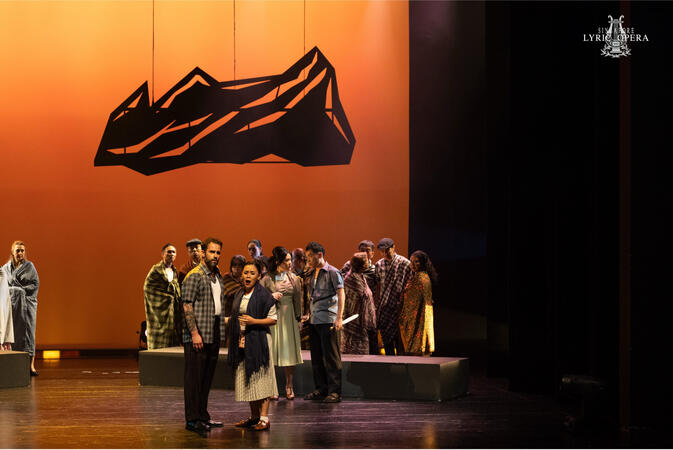
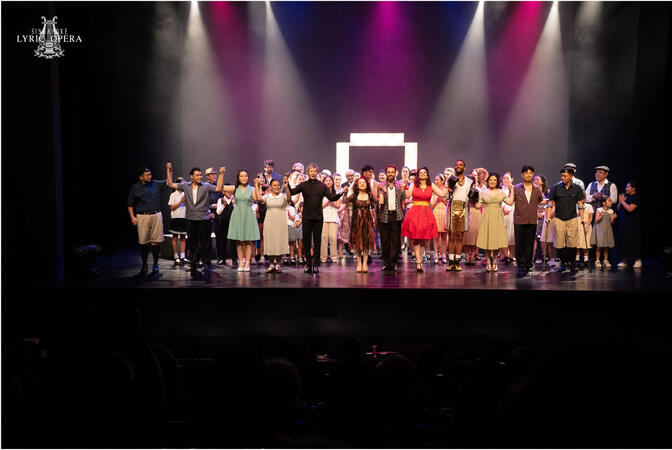
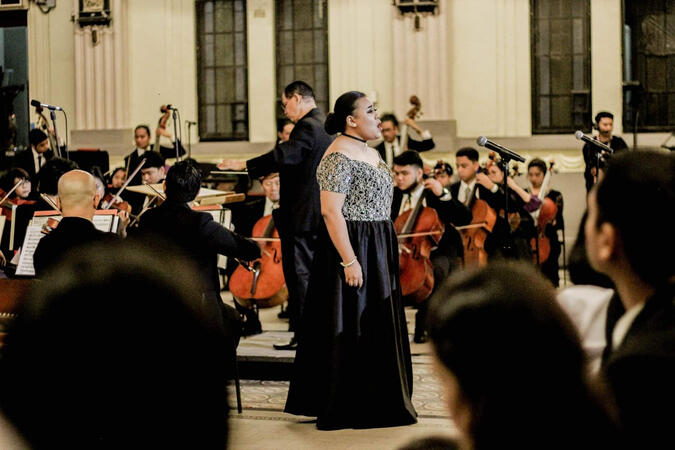
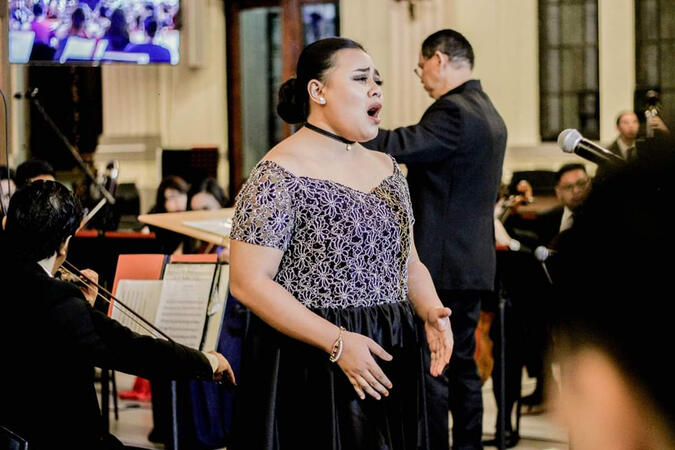
As Micaëla in Bizet's Carmen (2025)
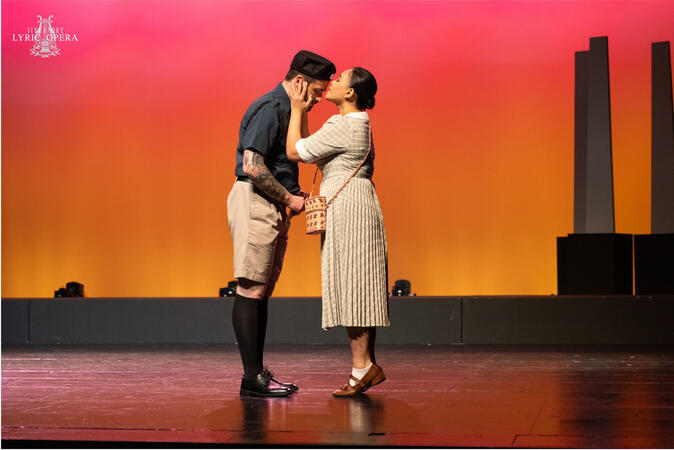
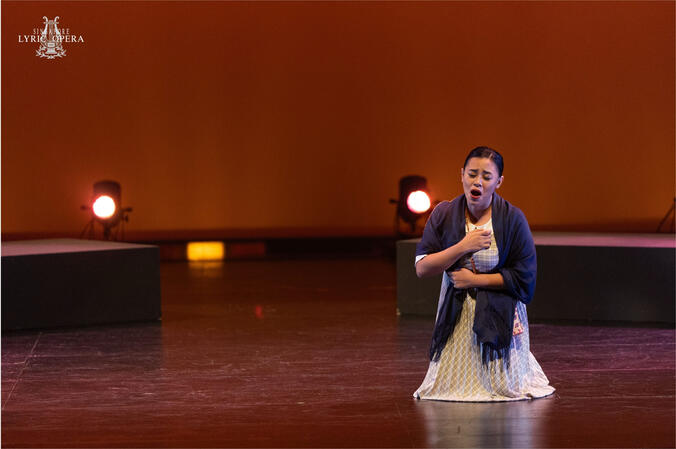
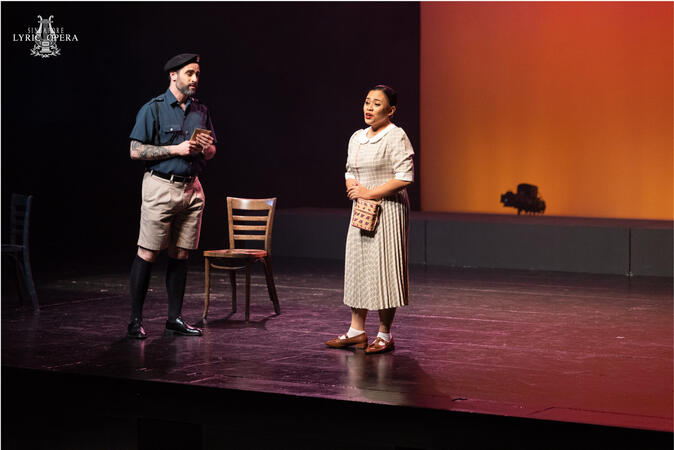
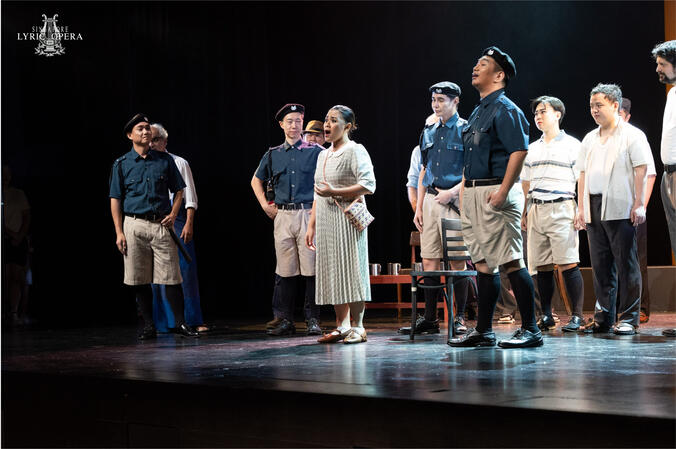
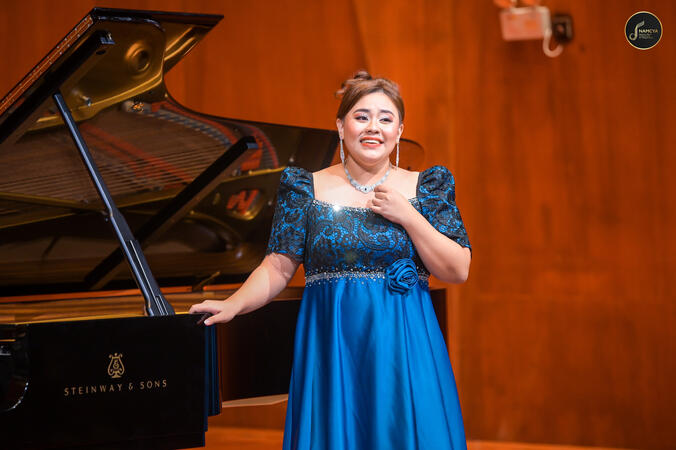
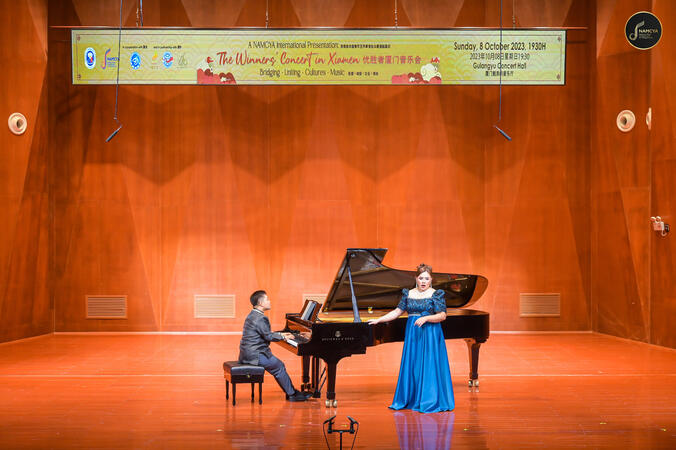
NAMCYA: The Winner's Concert in Xiamen, China | Gulangyu Hall (2023)
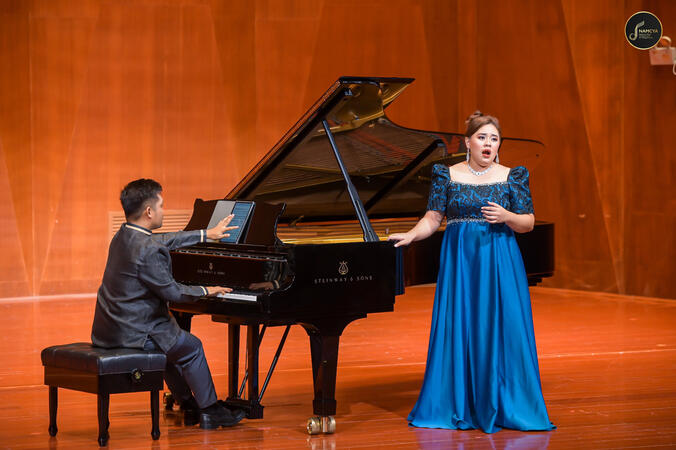
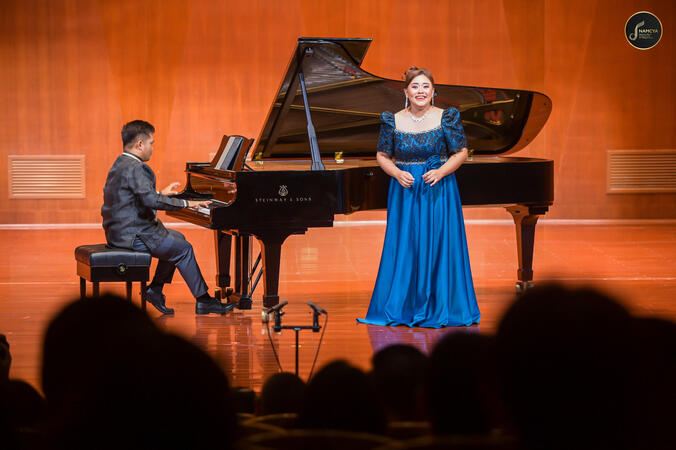
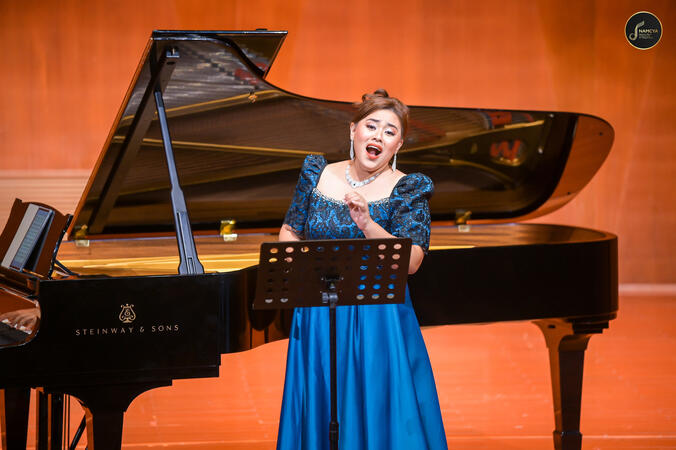
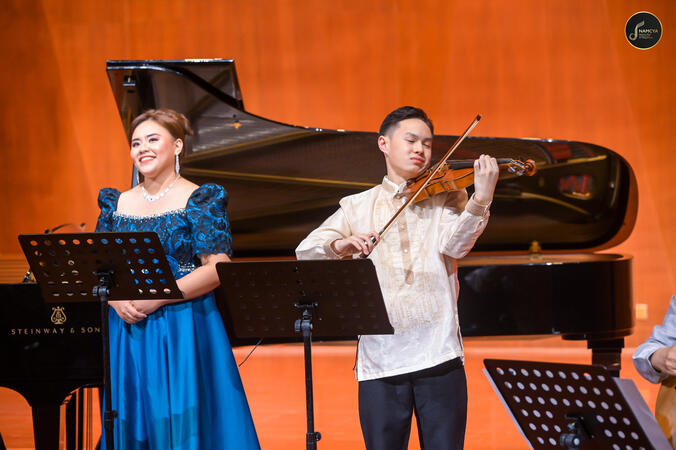
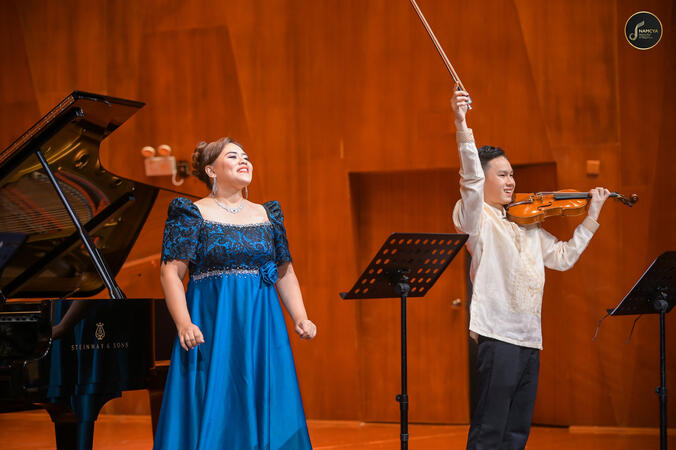
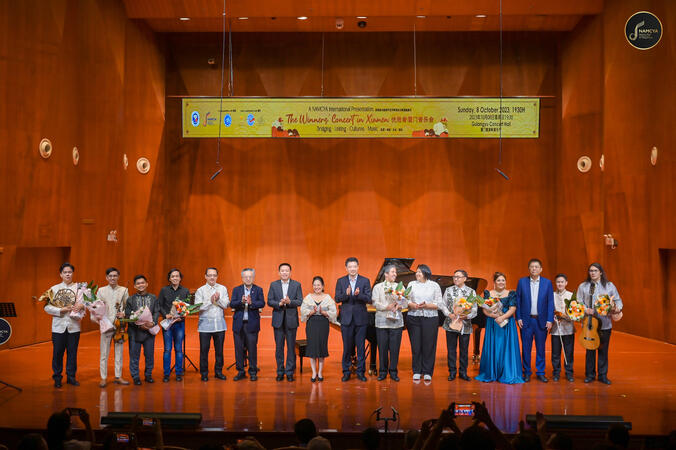
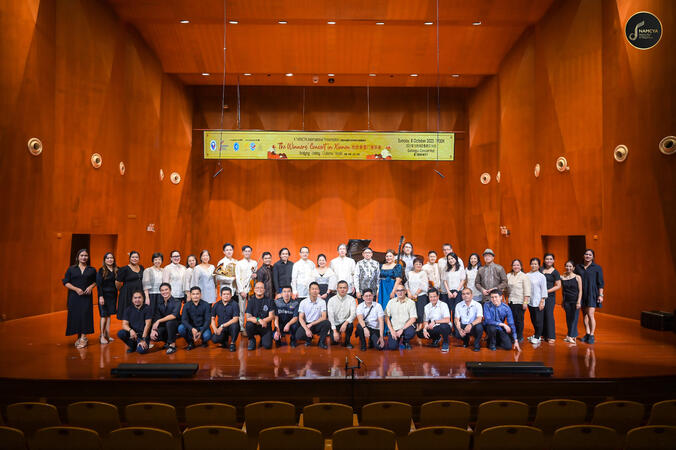
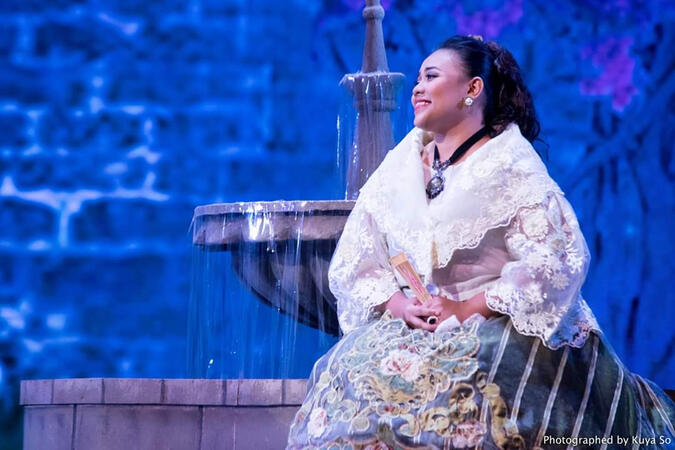
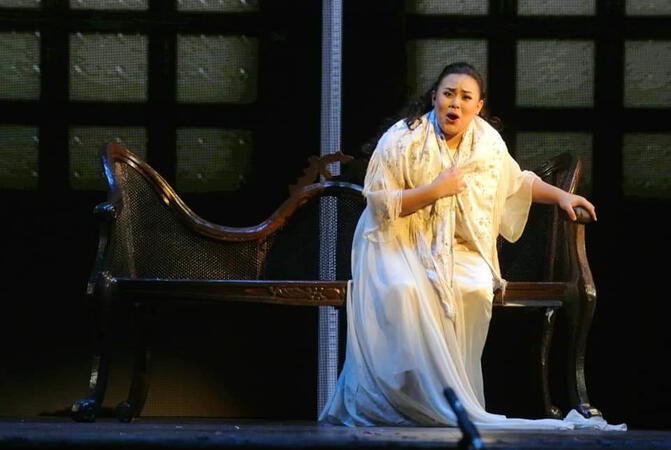
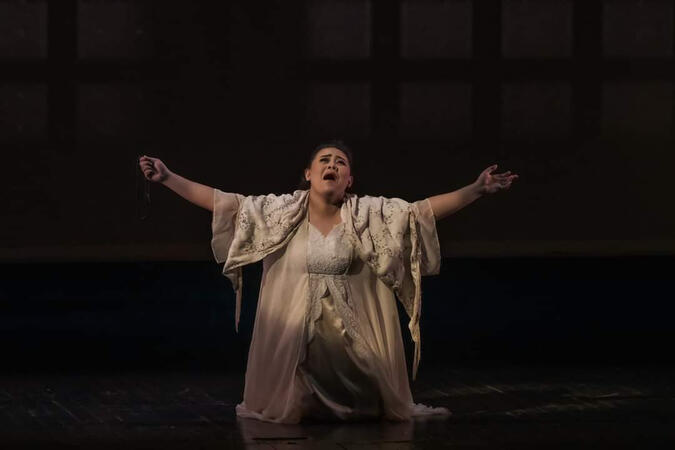
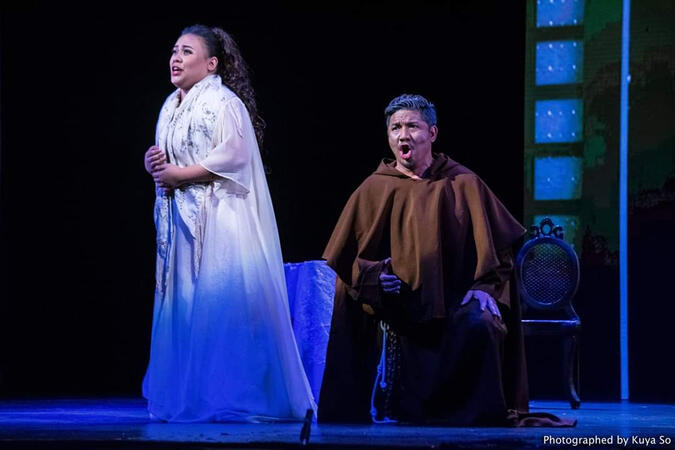
As Maria Clara in Noli Me Tangere:The Opera (2019)
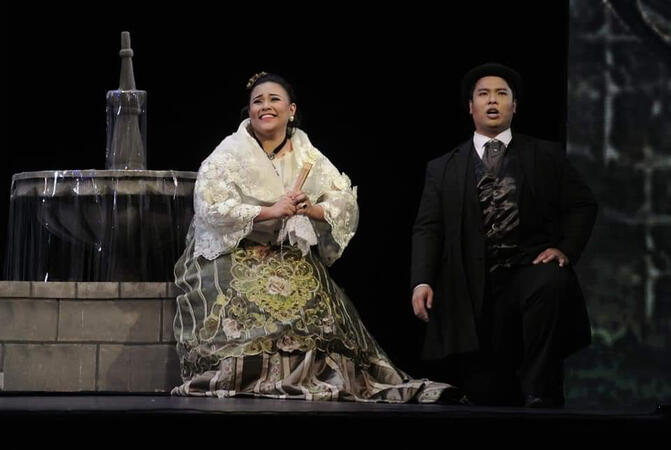
Ugnayan sa Tugtugan with The UST Symphony Orchestra
and ABSCBN Philharmonic Orchestra (2018)
ROLES
Fiordiligi
Dorabella (understudy)
Cosi fan tutte
Wolfgang Amadeus MozartDonna Elvira (studied)
Don Giovanni
Wolfgang Amadeus MozartMimi (studied)
Musetta (studied)
La Bohème
Giacomo PucciniMicaëla
Carmen
Georges BizetMaria Clara
Noli Me Tangere: The Opera
Felipe De Leon, Sr.Mme. Silberklang
Der Schauspieldirektor
Wolfgang Amadeus MozartLa Zia Principessa
Suor Angelica
Giacomo PucciniLa Ciesca
Gianni Schicchi
Giacomo PucciniBerta
Il Barbiere di Siviglia
Gioachino RossiniPaloma
El Barberillo de Lavapiés
Francisco Asenjo BarbieriAnita
West Side Story
Leonard BernsteinARIASW. A. Mozart
“Come scoglio” – Così fan tutte
“Per pietà, ben mio, perdona” – Così fan tutte
“Mi tradì quell’alma ingrata” – Don Giovanni
“Ah! fuggi il traditor” – Don Giovanni
“Ah! Chi mi dici mai” – Don Giovanni
"Ma se colpa io non ho... Batti batti" - Don Giovanni
“Porgi, amor” – Le nozze di Figaro
“Dove sono i bei momenti” – Le nozze di Figaro
“D’Oreste, d’Ajace” – Idomeneo
“Ach, ich fühl’s” – Die Zauberflöte
“Bester Jüngling” – Der SchauspieldirektorG. Bizet
“Je dis que rien ne m’épouvante” – CarmenG. Donizetti
“So anch’io la virtù magica” – Don Pasquale
"È lindo e civettin... O fanciulle amorose" - RitaG. Rossini
“Il vecchiotto cerca moglie” – Il barbiere di Siviglia
“Bel raggio lusinghier” – Semiramide
"Il seloignent enfin... Sombre forêt" – Guillaume Tell
"Pour notre amour... Sur la rive étrangère" - Guillaume TellV. Martín y Soler
“Dolce mi parve un dì” – Una cosa raraJ. Strauss II
“Klänge der Heimat” – Die FledermausC. Gounod
“Ah! je ris de me voir si belle” – FaustC. Debussy
“Air de Lia” – L’enfant prodigueJ. Massenet
“Il est doux, il est bon” – Hérodiade
“Allons, il est faut... Adieux notre petite table...” – ManonJ. Offenbach
“Elle a fui, la tourterelle” – Les Contes d’HoffmannG. Puccini
“O mio babbino caro” – Gianni Schicchi
“Sì, mi chiamano Mimì” – La Bohème
“D’onde lieta uscì” – La Bohème
“Un bel dì, vedremo” – Madama ButterflyF. Cilea
“Io son l’umile ancella” – Adriana LecouvreurF. Mendelssohn
“Hear Ye, Israel” – ElijahG. F. Handel
“Let the bright seraphim” – SamsonJ. Haydn
“Welche Labung für die Sinne” – Die JahreszeitenE. W. Korngold
“Glück, das mir verblieb” – Die tote StadtG. Meyerbeer
“Robert, toi que j’aime” – Robert le diableP. I. Tchaikovsky
“Tatyana’s Letter Scene” – Eugene OneginF. A. Barbieri
“Cancion de Paloma” – El Barberillo de LavapiesOtto Nicolai
"Nun eilt herbei" - Die lustigen Weiber von WindsorFranz Lehár
"Vilja-Lied" - Die lustige Witwe
FOLLOW ME ON MY SOCIALS: